コンパクトシティーの文化
07年.02月.15日-17:25
Mens sana in corpore sano
(Decimus Iunius Iuvenalis)
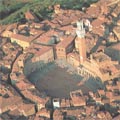 本来、人間は群れをなして生活する動物です。人類の歴史が始まってから現在まで、どの国のどの時代を見ても人間はグループか社会を形成して暮らしてきました。
そんな長い歴史の中で、技術の発展と同様に「街」も発展してきました。ネアンデルタール人の時代も、帝国時代のローマにおいても、中世のパリにおいても 現代のニューヨークにだって言えることです。
人が集まれば様々な「仕事」を専門的分野として分担することが出来るし、そのほうがおそらく能率も上がり、技術も発展するでしょう。
そのためには、人はお互いに親しい関係、信頼できる関係でないといけません。
さもなければ、全ての人が専門的すぎて 一人ではなにもできなくなってくるからです。
他人と情報やサービス、物を交換するためにも 「密」に交流する必要が出てくるのです。そしてこれらの交流は市場の中で行われることがほとんどでしたし、街の中心部に市場があったというのはとても深い意味があるんですね。今日でも昔と変わらず、「街」は、基本的には人々の交流する場所として意味をなすものなんですね。
「街」は我々人間のライフスタイルを形成してくれます。街は私たち人間が生活していくのにごくごく自然な場所なのです。
「街=人口的なもの・不自然な物」なんていう偏見を持つのはやめて、「街」に愛着をもちましょう。
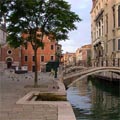 街(URBAN・・・この言葉はもともとラテン語で「教育」の意味が込められていました)は、野性的、非論理的(だが美しい)、自然・・・などといった言葉の対義語であり、「都会」という意味でもあります。
昔の街は、木がほとんどありませんでした。シエナの街もそうです。街はすべて石畳で出来ている・・・という事実にプライドを持っていたからです。
他の街も、木がある街はとても少なく、広場の真ん中に布石のように立っていたりしました。
現代でもベネツィアなどはこのような町の作り方で あくまでも 森等の自然な環境と、街という人が作った物両方をちゃんと区別して楽しみます。
「街」と「田舎」をはっきりと区別することは 効率もいいし、環境にもとてもいいことです。
第二次世界大戦後、世界中に「儲けのため・なんでもあり」の土地の売買が広まり、この結果不自然な街のあり方が流行してしまいます。・・・いわゆる「郊外」のトレンドです。
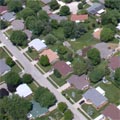 英国庭園などを模倣し、それを口実にしたりして 流行したこの「郊外トレンド」は車、テレビ、電話の発達を利用して どんどん広がって行きました。
本来、郊外の町は 形の無いもの、不便な物、公害の原因となるもの、環境に悪い物ともいえます。
この街のあり方は人にとっても 環境にとっても 悪い部分を促進してしまいますし、精神的にも暮らしている人にいい影響を与えません。
「郊外にある街」は街本来の発展のし方とは異なります。時には全力でとめなくてはいけない「癌の要素」ともなりうるのです。
我々は、コンパクトな街を実現させ 同時に「田舎」を守る 「街」という文化を応援します。
賢いやり方、公平な法律をつかって、多くの人に知ってもらい、経済的にも恵まれるやり方で 好ましくないトレンドを考え直してもらい、街の中心部に、もう一度命を吹き込きこませていきます。
 Man is a social animal. From the very beginning of human hystory as any archaeological research evidentiates, in any country, in any age man always lived in groups or communities. The growth and technological development thru hystory is parallel with the growth of urban agglomerates, whether we speak of the caves of Altamira, imperial Rome, medieval Paris or contemporary New York. Man leans naturally towards the specialization of functions and jobs which can increase the productivity and promote technological advancement. This implies a close relationship with other individuals as nobody is autosufficient outside the community. Man need to interact with eachother and exchange informations, services, goods. This activity takes place in the market, which is at the sametime the core of the city and its deepest essence. Today, as 5000 years ago, the city is essentially a marketplace: a place of exchange. The city is functional to our lifestyle and social organization, it is actually the natural habitat of humans.
 The city is urban (which means educated) as opposed to the wild, irrational (but beautiful) nature. Ancient cities did not even have one tree in the public spaces, like Siena still today, and were proud of their bricked pavements. Other cities just had very few trees, exhibited like jewels in the center of squares, like Venezia still today: this makes us truly appreciate by contrast the beauty of both the natural and the man made environment. A clear separation between the city and the county increases the efficence and preserves the environment.
  After the Second World War, a wave of blind land speculation fostered an unnatural new trend worldwide: the suburban culture. This sub-culture plagiarized the theory of the Garden City and took advantage of the development of cars, televisions and telephones to spread the cancer of the suburb.